
Research
Peer-led participatory research that democratises knowledge
Our research
A strong participatory process democratises knowledge by involving peers in the design, delivery and evaluation of research. That promotes social change, rather than simply extracting knowledge from a group in a way that limits their ownership of what is produced.
-
A Toolkit and Guidelines to Support Peer Engagement
Co-produced by the peer network and academic researchers, the toolkit sets out how to move beyond tokenism to meaningful engagement, where peers are given real power to influence policy and services.
-
The Development of a Toolkit and Guidelines to Support Peer Engagement
The research behind the toolkit. A systematic scoping review of peer engagement models, a qualitative investigation into the lived and living experiences of people who use drugs, and a knowledge exchange workshop bringing the two together.
-
Agency, Access and Solutions
A peer-led project exploring the experiences of people who use drugs in homeless accommodation through a human rights framework. It found a stark gap between policy and practice: 96% of participants had been homeless for six months or more, and 52% do not feel safe where they live.
-
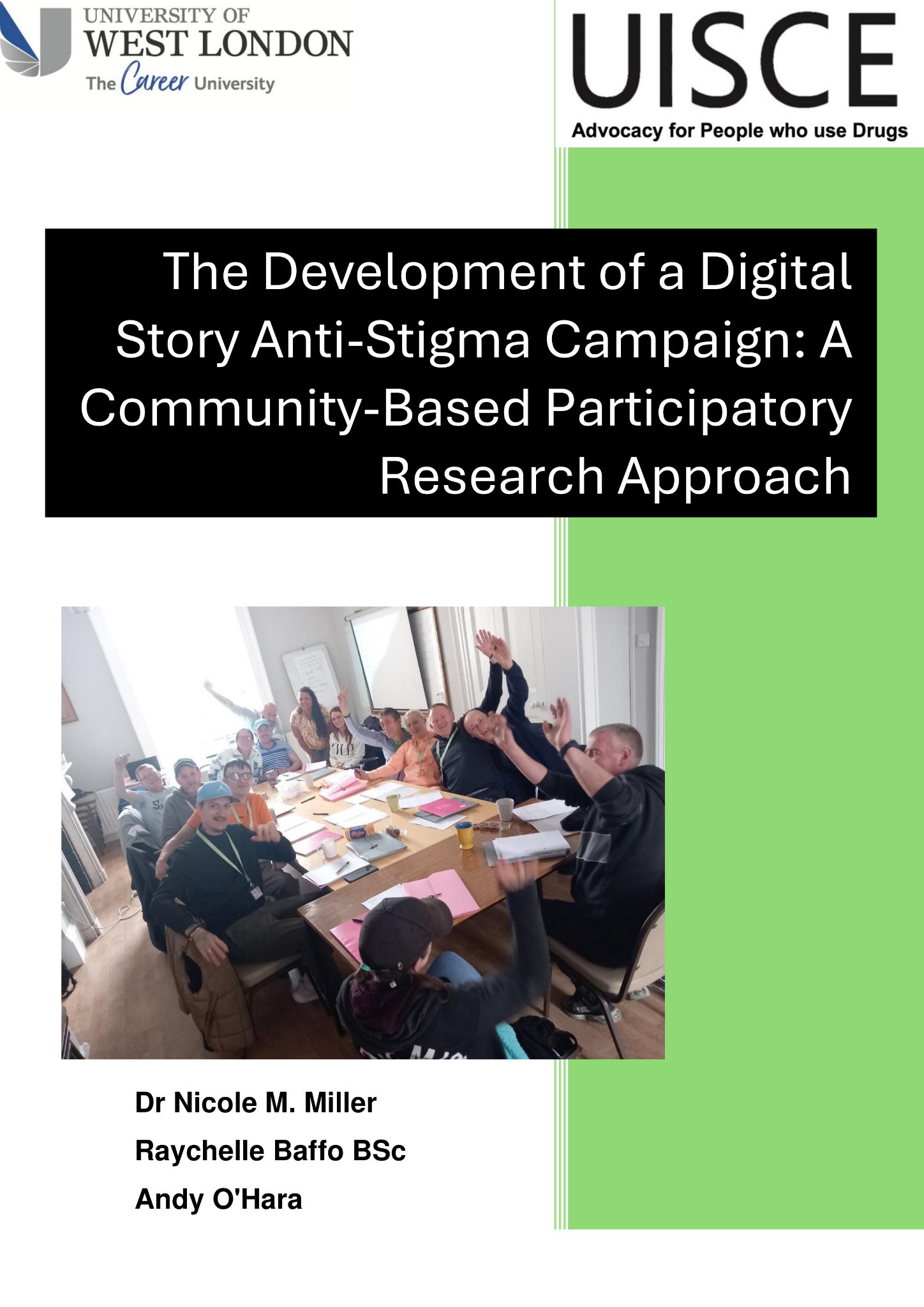
A Digital Story Anti-Stigma Campaign
Using photovoice, storyboarding and focus groups, peers from UISCE, the HSE National Drug Treatment Centre and Merchants Quay Ireland co-created a digital story campaign and identified six key themes, from criminalisation to challenging systems of power.
-

Lives on Hold
Peer-led research into methadone maintenance treatment, facilitated by Community Action Network and SURIA with the Canals, North East and South West task forces and UISCE. Of the 229 peers interviewed, 44% did not know what a care plan is and only 52% had been offered counselling.