
Naloxone Training
Peer-led overdose prevention, delivered where people actually are
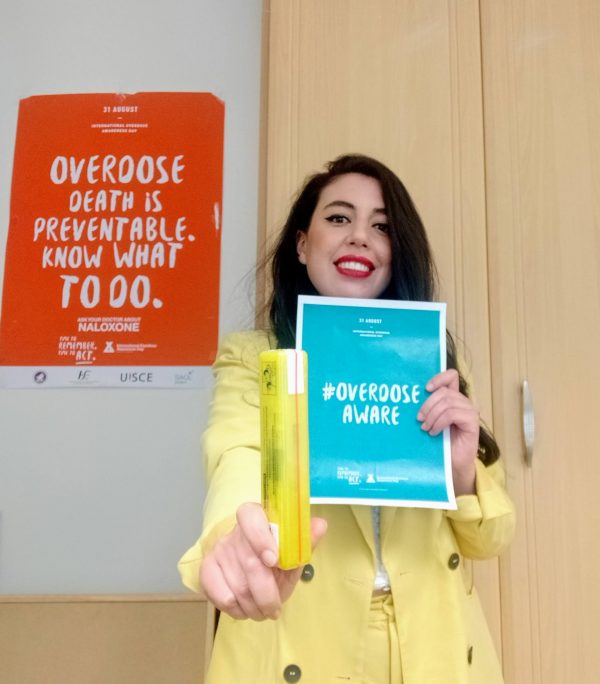
Trained peers, in the clinics and on the street
UISCE delivers ongoing peer-led overdose prevention and naloxone training, through outreach and in services.
In early 2024 UISCE was contacted by Dr Des Crowley, who wanted to bring peer-to-peer naloxone training into City Clinic so that people accessing the clinic had access to naloxone, which reverses an opioid overdose. That was all the more urgent given HSE updates on synthetic opioids such as nitazenes in the drug supply, which can be up to 30 to 50 times stronger than heroin.
Because many UISCE peers access clinics themselves, they had strong existing relationships and trust, and a real chance of people taking up the offer of training and a kit. UISCE progressed to deliver the model in nine OAT clinics on a regular basis across 2024.
Lifesaving skills, in the right hands
What makes the model work
Trusted messengers
Peers already have relationships with the people most likely to witness an overdose, which means training actually reaches those who need it.
Accessible training
Delivered using the HSE Opioid Overdose and Naloxone Training flashcards and videos, covering both intranasal and intramuscular naloxone.
Lives saved
We know of many people trained through this programme who have since used their kit to save a life.
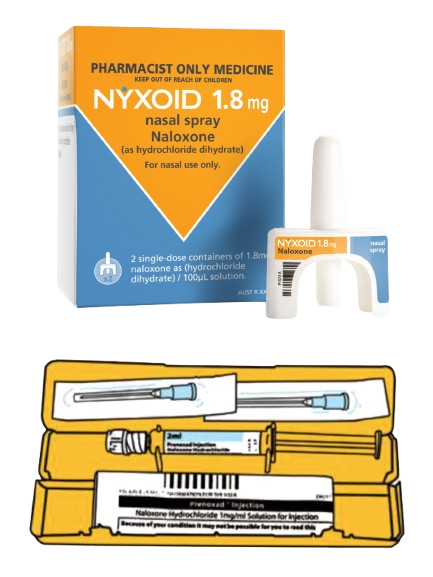
Naloxone training needs to involve people who use drugs, not just picking people in recovery as an easy option. If you train even a few people a week, it is going to save lives. So many people are losing their lives, and they could have been saved.
Ann Marie, Peer Support Worker
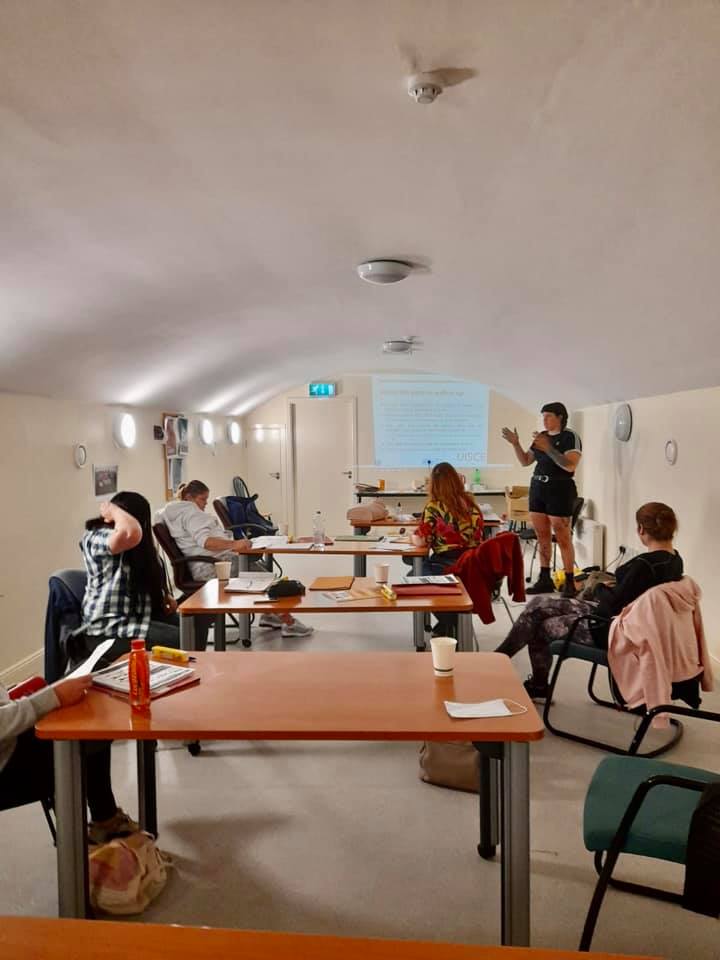
Built with the clinics, not delivered at them
The model runs with two people on the ground engaging with people as they arrive and two people in a room ready to train. It could not be done without the partnership, support and guidance of Dr Des Crowley, Michelle George and the General Assistants in the OAT clinics.
Multiple General Assistants now work in partnership with peers to further develop, enhance and deliver the training, with more actions planned.
Having peers go into the clinics and play a key role in engagement and overdose prevention also helps challenge negative stereotypes and stigma. It shows what happens when peers are supported to lead, and when people recognise the role peers can play.
What we are calling for
Naloxone without a prescription
UISCE’s position paper recommends that naloxone be made available without prescription in pharmacies and all drug services. It is a safe medication with no risk of dependency, already available over the counter in the United States, Australia, and in Italy since 1996.
Widespread availability through community distribution has been associated with decreased synthetic opioid overdose fatalities, and bystanders equipped with naloxone increase the chances of recovery from an overdose.
Peer-led drug trend monitoring
Research and policy that engage people with lived and living experience produce results more in line with the needs of the population, making interventions more likely to be adopted. UISCE’s peer-led reach into groups considered “hard to reach” is exactly what overdose prevention messaging needs.